Turn your results file into post-event engagement.
PerformID turns result data into verified profiles, follow-up signals, reports and repeat-event intelligence.
Upload an event file, review exceptions, publish profiles and measure follow-up.
Demo data: representative operator workflow using sample athletes, profiles and engagement events.
Use existing dataCSV, spreadsheet, timing and registration exports.
Review exceptionsMissing essentials are flagged. Ready profiles keep moving.
Publish profilesOnce live, PerformID measures engagement and follow-up signals.
Participants imported1,248
From the file the organiser already has.
Profiles ready842
Prepared automatically for follow-up and reporting.
Need review37
Mostly missing chip IDs and emails.
Estimated setup6 min
91% fields matched. 22 saved mappings reused.
Connected journey
Now see what the profiles are driving.
Once profiles are live, PerformID tracks views, shares, downloads, profile completion, engagement and partner-ready activity so you can prove value and plan the next event.
Review profiles
Ready profiles keep moving.
PerformID prepares everything it can automatically and separates verified results from manual or demo preview data.
Athlete
Source
Match
Result state
Action
Olivia Harris Female Open
Race Roster
Matched
Verified result ready
Publish profile
Daniel Price Male 35-39
Timing export
Matched
DOB review
Confirm detail
Ruby Clarke HYROX qualifier
Registration CSV
Matched
Verified result ready
Publish profile
Ethan Morris Club league
Club CSV
Unmatched
Email missing
Invite athlete
Reusable setup
Saved import mappings make the next event faster.
Once a format is recognised, the operator does not start from scratch. The same route can support registration files, timing files and post-event reporting exports.
Triathlon Series Timing File18 fields mapped. Split times normalised for event reports.
Club League Weekly CSV15 fields mapped. Team required, date of birth optional.
Outputs
The same import becomes athlete engagement and operator intelligence.
This demo starts simple: it shows the route from file to verified profiles, then moves into the engagement layer that proves the post-event workflow is working.
Verified athlete profiles
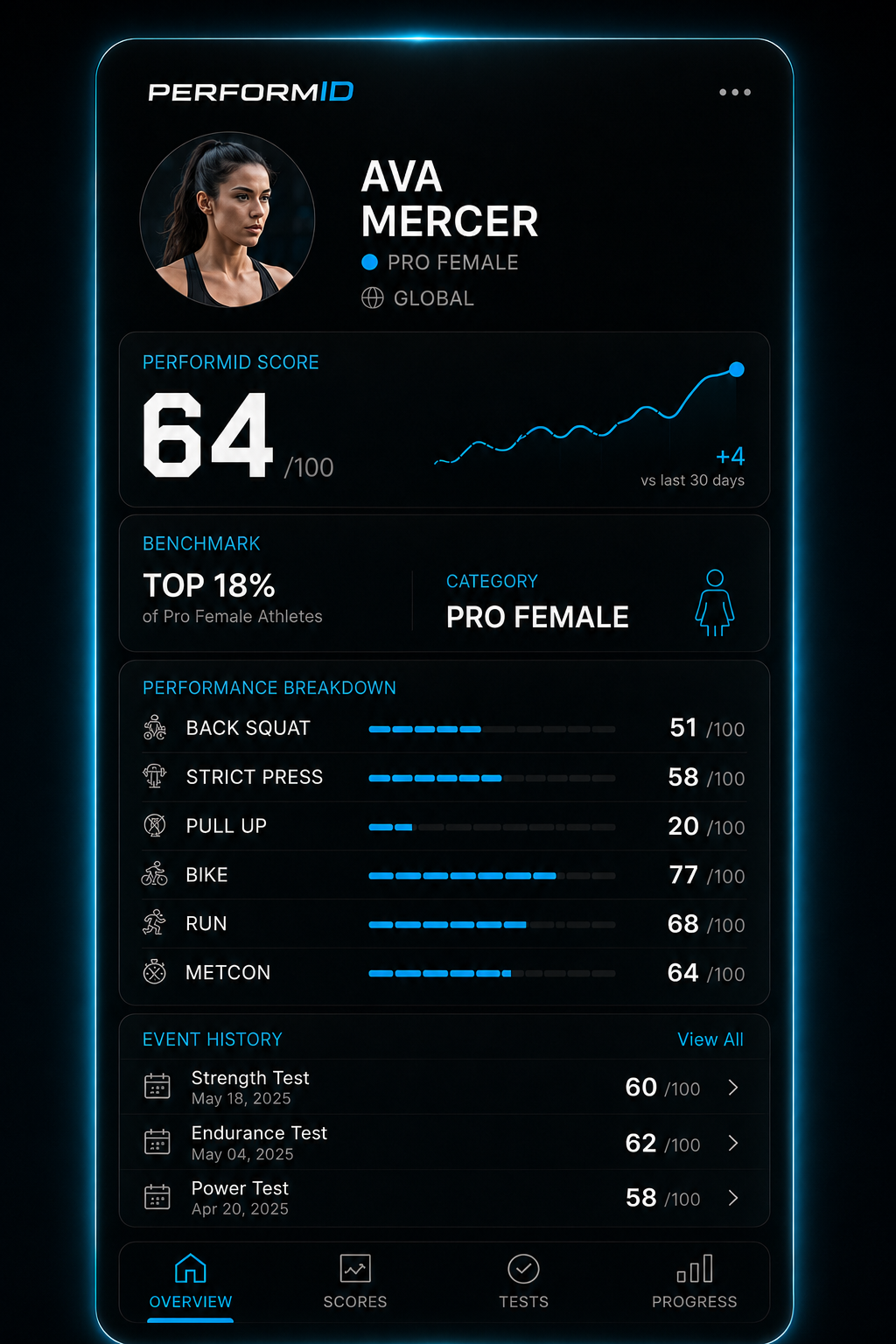
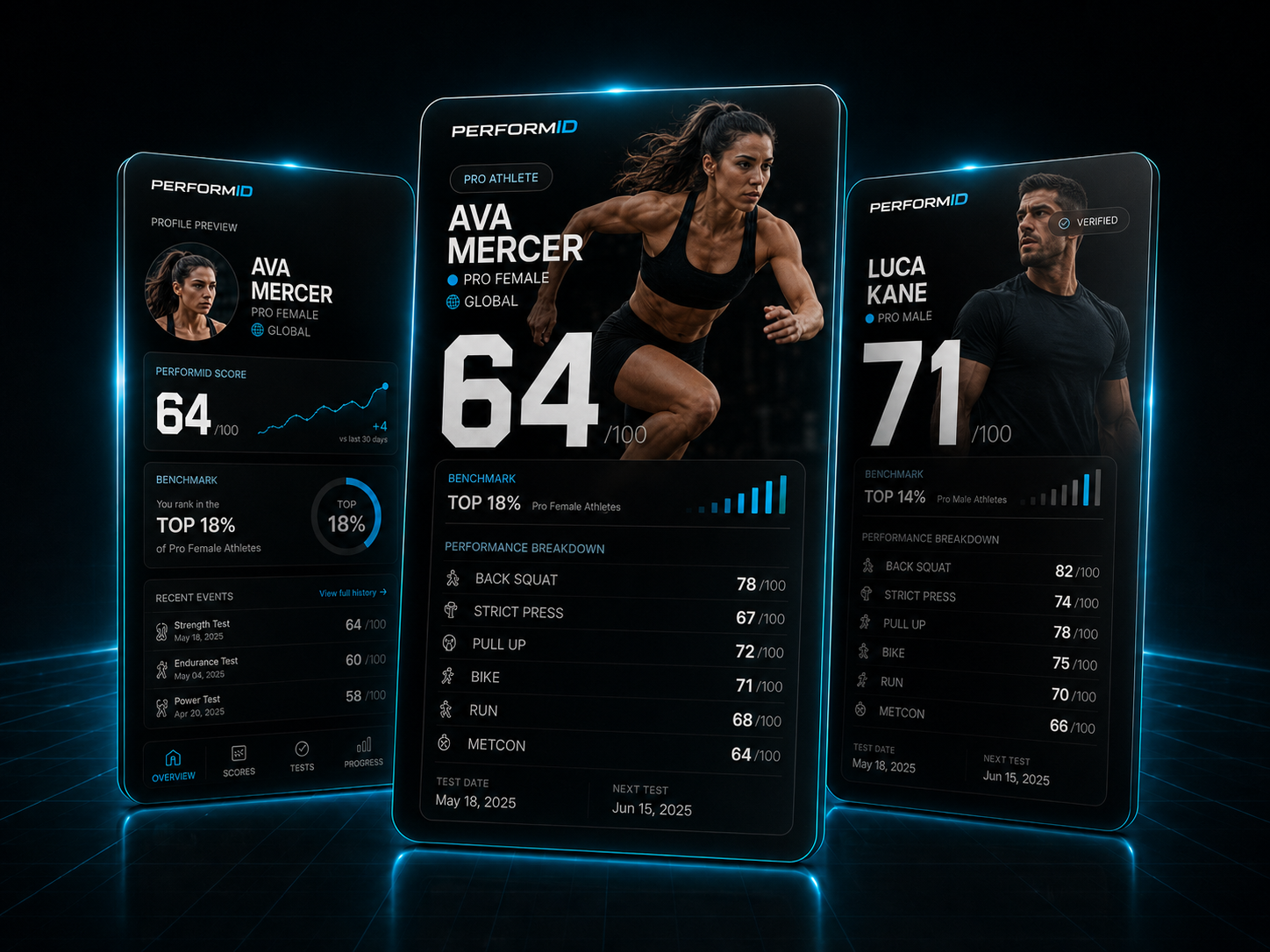
Persistent profiles show result history, score movement, badges, comparisons and share routes.
Share-ready profile assets
Athletes get formats for story, feed, square and wide sharing from the verified profile.
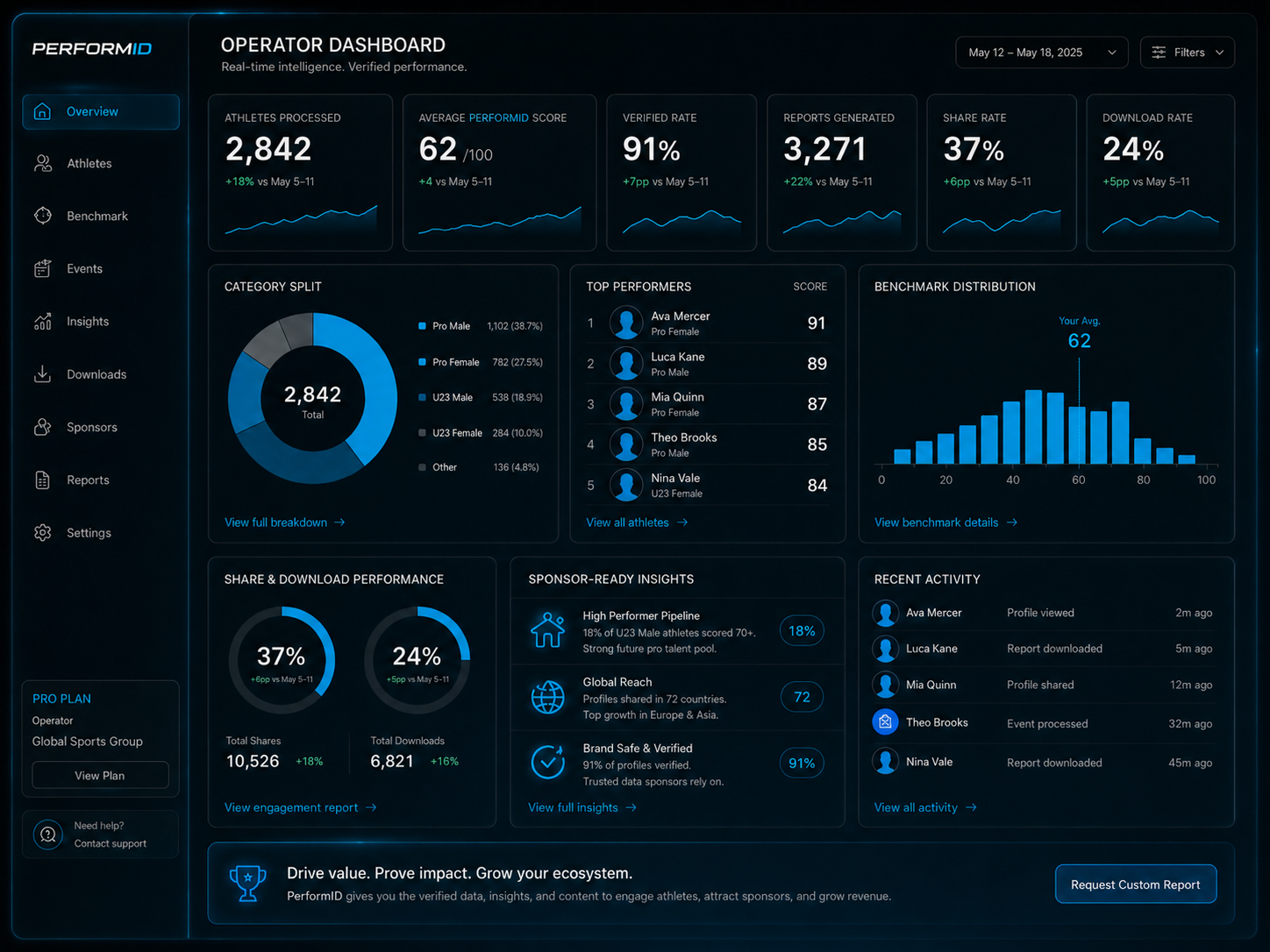
Operator reports
Event teams can see profile activation, leaderboard engagement, rebooking signals and partner-ready proof.
Insights Mode
Profiles are live. What are they driving?
Profiles create measurable engagement, follow-up segments and operator value.
Views, shares, downloads, QR scans and partner-visible activity show which athletes and groups are gaining traction.
Import dataPrepare cardsReview exceptionsPublish profilesMeasure engagementProve value
Profiles ready842
Prepared from imported event data.
Live profiles611
Published and collecting activity.
Card views12,480
Total profile and card views.
Unique viewers7,920
People viewing athlete profiles.
Shares1,870
Athlete and event share actions.
Downloads1,126
Profile assets saved for onward use.
QR scans3,218
Scans from venue, bibs and signage.
Partner-visible activity18,400
Proof signals based on real activity.
Card Engagement
Views, shares and downloads show what is working.
Once cards are live, the portal shows which athletes, teams, categories and channels are creating engagement.
Profile completion78%
Claimed cards with complete data.
Athlete claim rate64%
Athletes taking ownership.
Repeat views2,940
People returning to cards.
Avg view time1m 42s
Average card attention.
Top cards
Most active profiles.
Mia Carter842 views · 126 shares · 71 downloads
Jayden Brooks715 views · 94 shares · 55 downloads
Amelia Singh688 views · 88 shares · 63 downloads
Noah Williams604 views · 73 shares · 42 downloads
Athlete Opportunity Engine
Performance and engagement signals become relevant next actions.
PERFORMID helps operators identify useful products, services, sessions, programmes and profile support based on athlete need, goals and interaction patterns.
Sample opportunity values, not live revenue.
Total opportunities42
Athlete needs detected from results and behaviour.
Potential value£4,860
Practical revenue tied to relevant support.
High-confidence offers18
Clear signal and strong fit.
Partner-ready athletes11
Profiles with strong visibility and share activity.
Ready for upsell24
Athletes with active need or intent signals.
Group programmes6
Team or category patterns worth packaging.
Extra coaching sessionsOnline coaching sessionsTesting sessionsEquipmentSupplementsNutrition supportRecovery servicesStrength programmesSpeed programmesMobility programmesInjury preventionEvent preparation packagesPremium profile upgradesMedia/profile servicesPartner-ready packsTeam/group training offers
Mia CarterSprint / Female Open
High confidence
Trigger: Sprint benchmark is below age-group average while card views are rising.
Suggested action: 4-week speed mechanics blockSupport this athlete with a focused speed programme based on a clear performance gap.
Potential value £129-£249Status Ready to offerNext step Invite to session
Jayden BrooksFunctional fitness / Men 35-39
High confidence
Trigger: High shares + high views, with 94 card shares this week.
Suggested action: partner-ready media packHelp a visible athlete improve profile assets and present a cleaner partner story.
Potential value £79-£149Status Partner-readyNext step Create offer
Amelia SinghHYROX / Mixed relay
Medium confidence
Trigger: Viewed nutrition resources 6 times this week.
Suggested action: nutrition consult or supplement bundleRecommend useful nutrition support based on repeated resource engagement.
Potential value £49-£129Status Athlete needNext step Add follow-up
Noah WilliamsClub league / U23
High confidence
Trigger: Missing strength testing data on an otherwise complete profile.
Suggested action: strength benchmark sessionInvite him to complete useful testing data and unlock better recommendations.
Potential value £35-£75Status Needs testingNext step Invite to session
Ella ThompsonEndurance / Female 30-34
Medium confidence
Trigger: Recovery score has dropped over 3 check-ins.
Suggested action: recovery or mobility sessionRecommend support that helps the athlete train better and reduce avoidable setbacks.
Potential value £45-£95Status Support this athleteNext step Add follow-up
Ruby ClarkeHYROX qualifier / Open
High confidence
Trigger: Entered into HYROX Qualifier with strong training engagement.
Suggested action: 8-week event preparation packagePackage coaching, testing and recovery into a relevant event prep programme.
Potential value £199-£399Status Event prepNext step Build group programme
Lucas ReedTriathlon / Age group
Medium confidence
Trigger: Completed all profile fields and downloaded his card twice.
Suggested action: premium profile visualsOffer media and profile improvements because the athlete is already using the card.
Potential value £39-£99Status Profile upgradeNext step Create offer
Kai MorganTeam training / Performance squad
Medium confidence
Trigger: Strong engagement but incomplete video highlights.
Suggested action: content capture sessionHelp improve the athlete profile and create better proof for coaches or partners.
Potential value £89-£180Status Needs completionNext step Invite to session
What this means
Help the athlete better, and create operator revenue at the same time.
PERFORMID turns athlete activity and performance signals into practical next actions. Operators can identify who may need coaching, products, programmes, recovery support, profile upgrades or partner preparation.
Value
Partner proof is based on activity, not guesswork.
Engagement, downloads and impressions create partner-ready proof for operators, clubs, coaches and internal reports.
LiveHigh engagementPartner-readyReady to publishClaimed by athleteShared this weekDownloadedRising profileNeeds completion
Full portal walkthrough
See profile engagement, partner reporting and operator insights for your organisation.
PerformID can walk through the full platform from result import to engagement reporting using your event type and current data workflow.
Next step
Bring one real event file.
PerformID can show what would be created, which fields need attention and where the post-event follow-up loop starts.